


Republic Day Header – Transparent
Ashoka Chakra
Celebrating 77th Republic Day of India
Republic Day Header – Transparent
Ashoka Chakra
Celebrating 77th Republic Day of India

dwa-arthimpact

How Financial Institutions Value Your Property in Mortgage loan
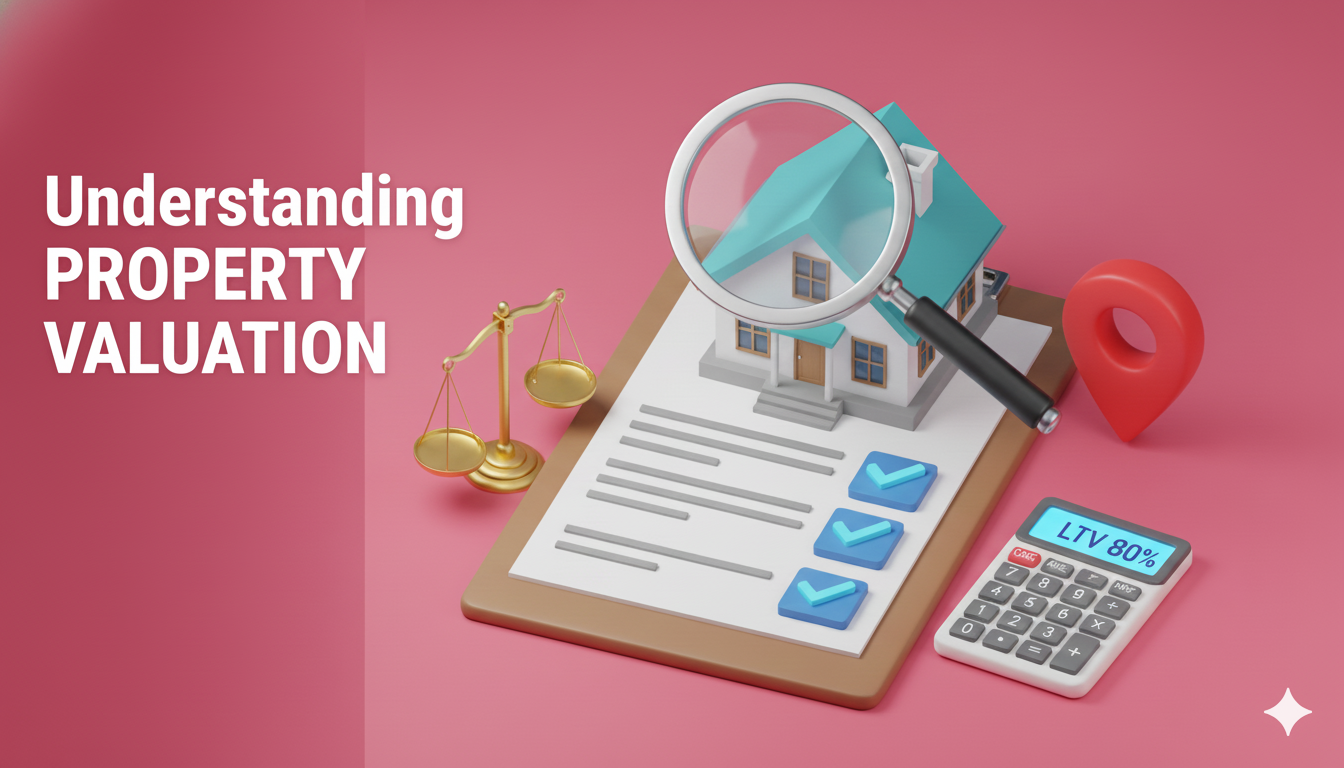
How Financial Institutions Value Your Property in Mortgage loan

How Financial Institutions Value Your Property in mortgage loan  If you have ever applied for a Home Loan or a Loan Against Property, you might have wondered how the lender decides the value of your property, why the lender values your property lower than what you believe, or what happens during the property valuation.  Most of us do not get transparent answers from our lenders. Sometimes they say that this is the company policy but do not provide concrete answers. But understanding how property valuation works can help you to negotiate better, get higher eligibility, and avoid last-minute surprises.  To help you understand better, this blog breaks down the entire process in a simple way. For that we need to understand what Property Valuation is.  Property Valuation  Property Valuation is the process through which the lender accesses the current market value of the property. The valuation of the property is done by the internal or outsourced team of the lender which physically inspects the property and prepare a property valuation report based on some pre-fixed parameters which we will be discussing below.   The Property Valuation Report helps the lender to decide:  This value becomes the base for calculating your LTV (Loan-to-Value).  Why Property Valuation Matters for Borrowers?  The value of the property play an important role in the value of the loan as Higher valuation leads to higher loan eligibility and vice versa. Accurate Property valuations reduce processing delays by the lender, and it ensures transparency between the borrower and the lender while protecting the interests of the lender and borrower.  How Financial Institutions value the Property  Financial institutions do not rely on the estimated value or market rumors for the valuation of the Property, they follow a structured, regulated and step-by-step process of defining the value of the property. This is how the lender actually values your property:  1. Physical Verification of the Property  Lender conducts a Physical Verification of the Property with its internal or outsourced team in which the valuer inspects the condition of the property, construction quality, age of the property, Layout and Structural strength and the maintenance level of the property.  2. Location Advantage and Neighbourhood Assessment  Location is the main driver in the value of the property, as an area with nearby amenities and infrastructure development attracts a relatively higher market value than area with no proper amenities and Infrastructure availability. Valuer checks for Road Connectivity, Commercial activity nearby, Schools, Hospitals, Future development plans, etc., for the valuation.  3. Legal Verification and Documents Scrutiny  The Lender examines Property Papers, Ownership chain, Encumbrance Certificate, Approved Building Plan, Occupancy status, Sanctioned Layout and any pending legal cases. The valuer decreases the value of the property if any irregularities are found in the Legal Verification and Documents Scrutiny.   4. Market Value vs Distress Value  This is where most of the borrowers gets confused, Financial Institutions usually lend on the distress value of the property due to which many borrowers feel that the valuation is low as per they have assumed. Market value is the rate at which the property can be sold today, and Distress Value is a conservative estimate of the property which is derived by assessing the property’s condition, market value and the urgency of the sale.  5. Comparable Sales Method  With this method the valuer compares the similar properties which are getting sold in the area. The valuer checks recent sale deeds in the area, Govt circle rates vs. market rates, Builder pricing (for apartments) and the demand for the property in the area. This gives a realistic selling price reference for the lender.  6. Construction Cost Method  This method is commonly used for valuation of bungalows, plots with construction and standalone homes. With this method of property valuation, the valuer decides the property value is based on cost of land, cost of construction, Depreciation on building age, Cost of building material required, etc. This method is commonly used in property valuation for home loans.  7. Rental Income Method  If the property is earning rent, then valuing the property only based on the market value of the property then it is not fair. For commercial properties earning rent, the valuer derives the value of the property by analysing the rental income, rental yield, tenant stability and the market value of the property. This method often increases the loan eligibility for the borrower.  Why Valuation by lender is lower than your expectations?  Lenders prefer safer valuations to manage the credit risk due to which they offer relatively lower property valuations. Some common reasons for the lower property valuation:  How to Increase Your Property Valuation  An informed borrower can strategically improve your property valuation by:  Final Takeaway  Understanding how lenders value your property provide you a better understanding of the entire loan process. When you are aware about what documents the bank is checking and conditions for the valuation you can be prepared and less likely to face last-minute surprises. It becomes easier to estimate the predict the eligible loan amount and even negotiate for better terms if needed. At the end of the day, a properly valued property makes your loan journey smoother, quicker and reasonable loan eligibility. 

Transfer Your High-Interest Home Loan or Loan Against Property and Save Lakhs Without Hassle

If you have a home loan or a loan against property, you might have wondered about it. If you feel your EMI is too high. You think that you are paying more than necessary. In fact, Many people do pay extra. Interest rates shift over time. New lenders come in with better rates. Still, people stay with old high-interest loans. Although you can switch to a new lender but we might think switching loans is too complicated. The truth is it works out much easier than we imagine. The savings add up to a lot. Your property could be self-occupied or rented out. Maybe it serves business needs. A balance transfer at the right time reduces your EMIs, your interest costs and helps you to repay debt quick. We break it all down here in simple steps. What Is a Home Loan / LAP Balance Transfer? A balance transfer simply means shifting your current running loan from your current bank/NBFC to another lender. But why should you consider switching to another? You can switch because a new lender can offer you a: a lower interest rate, a reduced EMI, a better tenure, or better service. It’s like switching to a cheaper internet plan — your usage remains the same, but your cost goes down. How Much Can You Actually Save? Even a 1% drop in interest rate can save you lakhs of rupees, because these loans have long tenures and large amounts. Example for a ₹5 lakh loan (Home Loan or LAP): Current Interest Rate: 11.5% New Interest Rate: 9.5% Remaining Tenure: 12 years You could save up to 60,000 to 80,000 if you transfer your current loan to new lender. Why Borrowers Must Pay Attention Most borrowers end up paying high rates for years because: They took the loan during an emergency situation They accepted the first available offer They didn’t track market interest rate changes They were unaware balance transfer was possible But interest rates have dropped significantly in recent years, and switching lenders can reduce EMIs by ₹3,000 to ₹10,000 per month. When Should You Consider a Balance Transfer? You should evaluate switching if: Documents Required for Home Loan / LAP Balance Transfer Here’s the simple checklist: The new lender usually coordinates 70–80% of the process directly with your existing lender. Step-by-Step Process to Transfer Your Loan Without Hassle The moment you understand the process, the fear of “what if it’s too complicated” disappears. With the right lender and the right documents, transferring your Home Loan or LAP becomes a smooth, organised experience designed to save you money. How Switching Lenders Helps Different Stakeholders For Salaried Borrowers: For Self-Employed / MSMEs: For Families with Long Tenures Left: Conclusion: Don’t Stay Stuck with a Costly Loan If you took your loan years ago, your interest rate is probably outdated.The lending market has changed. New lenders offer lower rates, flexible options, and faster processing. A Home Loan or LAP Balance Transfer can help you: There’s no reason to keep paying more when better options exist.

Newbies Guide to Growing Wealth Through Investments

Newbies Guide to Growing Wealth Through Investments

Let us be honest, most of us were never taught how to invest. Whether you work a nine to five job, run a small shop, or manage a household, you have probably asked yourself where you even start. You want to invest but you must have wondered where to start. You have thought about where to invest and what happens to your hard-earned money if you made a mistake. If these sound familiar, you are already on the right path. Investing does not start with money. It starts with curiosity. This guide helps everyday people who want their money to grow quietly in the background. They can keep living their lives as usual.   First, What Exactly Is Investing? If you think of your money as a hardworking employee, then investing is the process of giving that employee a job — a job where it can earn more money for you. Most people earn money, spend money, and save what’s left. But saving alone doesn’t grow wealth — it just keeps your money safe. Investing means putting your money into something that has the potential to grow in value over time. Let us break it down for different occupations. For Salaried Individuals Investing is how your salary stops depending only on increments. It starts creating its own growth. Your money begins earning, even while you sleep.       2. For Small Business Owners or MSMEs Investing helps you build wealth outside your business. Your shop may slow down. Your investments keep growing in parallel.      3. For Homemakers You may not have a monthly salary. You still have financial goals, like children’s education, emergency money, and long-term security. Investing helps you build independence through small, steady contributions. In short, saving keeps your money safe. Investing helps your money grow. Why Investing Matters If you are salaried, salaries do not always increase at the same pace as inflation. According to RBI inflation data from 2023-24, prices rise about 5% every year. If your savings grow slower than that, you are losing value of your savings. If you are a small business owner, markets are unpredictable. Digital payments may be rising. Business cycles still fluctuate. Investing helps you build a cushion. Your family’s future does not depend only on daily sales. If you are a homemaker, your role holds the family together. Having your own investments means financial dignity, independence, and confidence. Even one hundred to five hundred rupees SIPs monthly make a difference over years. What Are My Options. Every person has a different comfort level. Here is what makes sense for each stakeholder. Low-Risk Options Low-risk investments hardly fluctuate. They promise stable and predictable return on your Investments. Government Bonds or Debt Mutual Funds Safer Predictable Good for peace of mind Fixed Deposits or Recurring Deposits Slow growth Good for short term goals     2. Medium-Risk Options These options balance safety with growth. They may go up and down a little but generally grow steadily. SIPs or Systematic Investment Plans Small monthly amounts Long term wealth creation Ideal for retirement, down payment, child education Balanced Mutual Funds Mix of equity plus debt Stable yet growth oriented     3. High-Risk, Long-Term Options High-risk investments can fluctuate a lot in the short term, but they also offer the highest long-term returns. Stock Market or Shares High long-term returns Best if you can stay invested for years Equity Mutual Funds or Index Funds Managed by experts Excellent for long term goals What You Need to Start Investing: No complicated steps. Here is the simplest breakdown. PAN plus Aadhaar Bank account A demat account to buy stocks, ETFs, mutual funds Clear monthly goal, how much you can invest outside business Arth has partnered with Zerodha to help customers open a demat account without any opening charges. It makes it easier for first time investors to start without hesitation. How To Make Smart, Informed Investment Decisions This is where beginners often go wrong Start small but start. Even one hundred to five hundred rupees a month is meaningful over time. Stay away from tips and shortcuts. If someone promises guaranteed returns, walk away. Be consistent. Wealth grows through discipline, not luck. Keep a long-term mindset. Markets rise and fall, that is normal. People who stay invested win. Conclusion Your Money Has Worked Hard Enough. Now Let It Work for You You do not need to be financially educated. You do not need a big income. You do not need lakhs to start. You just need a small monthly commitment. A little patience. And the willingness to begin. Whether you are a salaried professional dreaming of stability, a small business owner building a life beyond daily sales, or a homemaker planning for her family’s security, investing gives you the power to shape your financial future. Start small. Stay steady. And let your wealth quietly grow behind the scenes.

Beyond Transactions: How Digital Payment Data Is Becoming Collateral

Ask any small shop owner today, and you’ll hear the same story: Customers hardly carry cash anymore; everyone wants to pay through UPI. Whether it’s a small grocery store or a large chain store. Every shop is receiving payment through the QR payment box. A few years ago, payment on QR boxes felt new. Today, it’s normal and honestly convenient. Out of all the facilities and convenience business prime provides, there is still some resistance towards accepting payments through QR. But what most small business owners don’t realize is this: Every digital payment you accept is quietly building something powerful, which is your financial identity. And that identity can help you get business loans without property papers, machinery, or heavy documents. Let’s break it down to how exactly it affects you practically. 1. The New Reality: Your Payments Are More Than Just Payments For decades, small businesses struggled with one thing: “You run a good business… but you can’t prove it.” Because of But digital payments changed everything. Every time a customer scans your QR and pays, you create: Today, this payment data acts like collateral in loan applications. It shows lenders that your business is active, consistent, and earning. 2. The Real Problems Small Businesses Face Today Let’s talk about the challenges a retailer, wholesaler, or trader faces every day: These are not small problems.They directly impact your business growth, confidence, and cash flow. And this is exactly the gap Business Prime fills by offering pre-eligible business loans based on your payment data and transaction records. 3. How Business Prime Makes Life Easier (In the Ways That Actually Matter) Business Prime isn’t just a QR soundbox. It’s a daily business companion that helps you solve real-world issues. Here’s how: Problem 1: “I don’t have collateral. How will I get a loan?” Solution: Business Prime turns your payment data into credibility. Every digital payment you receive gets recorded. The more you receive through Business Prime, the clearer your business performance looks. This data becomes proof of income — something lenders trust. Result:You qualify for loans faster, without heavy paperwork or collateral. Problem 2: “EMIs are stressful. What if a slow month comes?” Solution: Daily micro-repayments option with Business Prime+, which enables the small business to equally distribute their monthly EMI payment on a daily basis.No pressure, no bulky month-end EMI. Problem 3: “I want a larger loan next time.” Solution: Business Prime automatically increases your credit limit based on your payments and transaction data. You can also get an auto-approved business loan with Business Prime If your business is Business Prime automatically increases your credit limit for your next loan. No extra forms.No running after anyone. Your business performance speaks for you. Problem 4: “What if something happens — illness, accident, shop damage?” Solution: Business Prime gives you protection, not just payments. Along with the QR box, you get: This means your loan won’t crush you during tough times. Your business stays protected. You stay protected. Why Digital Payment Data Is the Future of Lending Lenders trust what they can verify. And today, the easiest thing to verify is your digital payment history. This is why more lenders — fintech, NBFCs, PSUs — are shifting to: Small businesses that adopt digital payments now get: Because your QR box is doing more than collecting payments —it’s writing your loan story. Final Thoughts: Small Shops, Big Data, Bigger Opportunities Digital payments have turned local kirana stores, wholesalers, and service shops into data-rich businesses — even if they don’t realize it yet. And Business Prime takes that data and turns it into a real credit opportunity. You’re not just accepting payments.You’re building your financial future — one QR scan at a time.

What Should Every Retailer Must Check Before Taking a Business Loan?

What Should Every Retailer Must Check Before Taking a Business Loan?

If you are running a small grocery store or a large garment shop, or any other retail business, you can understand the efforts a business requires to operate smoothly. Running a business is no cake walk. Juggling inventory, keeping customers satisfied, supervising staff, and staying on top of ever‑shifting prices means each day comes with a new set of challenges. Even the hard‑working retailer can hit a moment where a financial nudge is needed—whether to expand the shop, bring in stock, or bridge a cash crunch during the festive season. In these crucial times, business loans can be a lifesaver. What is a Business Loan? Business loans are loans that are taken from any financial organization specifically for business purposes. Business loans offer higher amounts as compared to personal loans, as they are expected to be repaid from the business revenue. A businessman can choose between a secured business loan or an unsecured business loan based on creditworthiness and loan requirements. As a retailer, before deciding on a business loan, you must question yourself – does this loan genuinely align with my business’s needs? What follows is a no‑frills checklist every retailer ought to run through before committing to a business loan. 1. Analyse the reason behind your loan requirement. The first thing to do is figure out why. When the borrowing purpose is clear, then picking a loan becomes easier. Bear in mind that a loan should act as a springboard for your business, not a weight that drags it down. Only tap into borrowing when the cash is likely to generate returns or upgrade your operations over the haul. 2. Weigh the interest rates against each other. Keep an eye out for any fees. Don’t just eyeball the headline interest rate—take a second to read the print. Compare processing fees, prepayment penalties, and late‑payment charges. Even a little variation among those costs can tilt the amount you’ll have to repay. Ask the lender for a Key Fact Statement (a rundown of every fee, interest rate, and loan terms. The RBI now requires lenders to supply this, so it can serve as a guide for making a better choice.) 3. Review Your Repayment Capacity Before you borrow, give your income and expenses a quick once‑over. Ask yourself: can I still comfortably keep up with my EMIs when a month’s sales are down? One practical rule of thumb is that your monthly loan EMI shouldn’t be more than 30–40 % of your average net earnings. Taking on a loan tends to pile on needless stress, especially when cash flow dries up during off‑season periods. If you’ve got existing loans on the books, you could look into bundling them or restructuring the loans a bit, which can make the monthly payments easier to handle. 4. Keep your records crisp, clean, and well‑organized. For many shop owners, customer khata often feels like a boring and time-consuming task. But having clear and well-organized paperwork can be your trusted partner—especially when you’re applying for a loan. Digital billing and invoicing platforms like Tradeon simplify the process. When every sale, purchase, and payment is recorded electronically, lenders can quickly confirm your cash flow and assess the stability of your business. Being completely upfront doesn’t just improve your loan approval odds—it can also steer the interest rate for the loan. 5. Make sure to verify the lender’s credibility. Make sure the support they promise is reliable and consistent. Choose a lender who understands how a business works and is flexible when circumstances change. A supportive lender can become a true partner—someone who helps your business grow, not just someone who provides a loan. 6. Adopt a mindset that favors the long‑term. A loan isn’t a substitute; it’s a commitment that extends well beyond the immediate horizon. Before you move forward, pause to see how it lines up with your business goals. Will it boost growth for your store, expand your customer reach, or lift your profitability? If affirmative, press on—. Under the auspices of a well‑outlined plan. When your billing is organized, your records are neat, and your cash flow is crystal clear, you’re not just setting yourself up for the loan you need today—you’re also building the kind of trust that makes future financing a whole lot easier. Final Thoughts Cash is the lifeblood of every retail business, and the way you manage that flow can make or break your success. A business loan can oil the doors of growth, only when it’s taken with a careful strategy. Know what you really need, borrow wisely, keep your records well-organized, and build a strong digital trail. That’s the path to lasting financial strength and a business that’s ready for the future. In today’s world, retailers who stay organized, stay transparent, and use digital tools aren’t just getting by—they’re thriving.

5 Ways to Make Your Business – Loan Ready

5 Ways to Make Your Business - Loan Ready

Every businessman, whether large or small, wants to grow stronger. Growth often requires funds, and in most cases, that means getting a loan. Whether you are expanding your shop, preparing for the festive season sale, upgrading equipment, or opening a new branch, timely financial support can make a significant difference. A business loan can help entrepreneurs turn their dreams into reality. First, we have to understand what a business loan is, Business loan A business loan is a type of financing provided by financial institutions such as Banks, NBFCs, and other financial institutions to fund various business needs, such as business expansion, meeting working capital requirements, purchasing equipment, or managing business cash flow. Business loans can be either secured or unsecured, depending on the specific requirements and eligibility of the business. Before applying for a business loan, it’s essential to ask two questions: Do I really need a loan? Is my business ready for it? Why Do Businesses Need Loans? A business loan is not just for filling financial gaps; it also creates opportunities. Here are some common reasons businesses seek loans: Working capital needs: Managing daily operations when customer payments are delayed. Expansion and growth: Opening a new outlet, investing in inventory, or hiring employees. Technology upgrades: Implementing digital tools or equipment that can improve efficiency. Seasonal demand: Stocking up during peak times like Diwali or holiday sales. Debt consolidation: Combining multiple debts into one manageable loan. The key is to view a loan as a strategic tool for advancing your business, not as a burden. How to Decide If a Loan Is the Right Solution Not every business issue requires a loan. Before applying, consider these questions: Will the loan generate returns? Borrowing makes sense if it helps you earn or save more in the long run. Is the need temporary or ongoing? A short-term cash crunch may be resolved with working capital finance, while a permanent expense (like expansion) might require a term loan. Can your business repay comfortably? Your ability to repay should be based on realistic cash flows, not just hopes or projections. Being mindful of why and how you borrow leads to better financial decisions and keeps your business healthy over time. Five Ways to Make Your Business Loan Ready Once you decide that a loan is the right choice, preparation is crucial. Here’s how to make your business truly loan-ready: Keep Your Financial Records Organized Your financial records outline your business story. Clean, accurate, and regularly updated balance sheets, income statements, and cash flow reports allow lenders to see your stability and growth. Digital billing and invoicing tools make this easier—every transaction is automatically recorded, providing proof of consistent business activity. These records also simplify the loan application process, as they show steady income and transparency. Maintain a Healthy Credit Score A good credit score reflects your business’s reputation with lenders. Pay your bills on time, avoid excessive borrowing, and check your credit reports regularly. Small actions like promptly clearing vendor payments can enhance your financial credibility. Think of your credit score as your business handshake—it establishes trust even before discussions begin. Separate Business and Personal Finances Mixing personal and business finances is a common mistake among entrepreneurs. Open a separate business account and process all your transactions through it. This not only simplifies bookkeeping but also gives lenders a clear picture of your business’s actual financial performance. Go Digital with Billing and Payments Digital billing systems are more than just convenient; they enhance credibility. When your invoices, payments, and receipts are recorded digitally, they serve as verifiable data for lenders. Platforms that manage transactions digitally create a transparent business history that lenders can rely on when evaluating your loan request. In many cases, having digital transaction records has even helped businesses qualify for loans faster because their cash flows are clear. Prepare a Clear Business Plan A strong business plan demonstrates that you know your numbers and your goals. It should clearly outline how much funding you need, how it will be used, and how you plan to repay. When lenders see that your vision is supported by a solid plan, it increases their confidence and the chances of approval. Final Thoughts  Getting a business loan involves more than just paperwork—it demands preparation, discipline, and transparency. When you manage your finances effectively, adopt digital transaction methods, and plan your borrowing wisely, you not only make your business loan ready. You build a business that is trusted, scalable, and prepared for the future. In today’s fast-paced world, businesses that combine smart borrowing with digital records often find themselves ahead of the competition—not just with lenders, but also in the market.

Why Every Small Business Owners need a digital billing platform

Running a small shop, wholesale business or a distribution business is no cake walk. From managing stock and suppliers to keeping customers happy — every day brings new challenges. In between all this, one thing often gets pushed to the end of the list: proper record-keeping. Most business owners still rely on handwritten bills or manual ledgers to track their sales. It’s what’s familiar — but in today’s changing business world, it’s also what’s holding many entrepreneurs back. The Hidden Cost of Manual Billing Paper bills may look simple, but they come with hidden challenges: Errors in calculation Missing or misplaced records Difficulty tracking customer payments No clear visibility of total sales or profits No track of inventory When all your data is scattered across notebooks and loose sheets, it’s hard to make confident business decisions — or even prove your business’s strength when you need credit. What is digital billing? Digital billing refers to the process of generating, delivering, and managing bills or invoices electronically rather than using traditional paper-based methods. It leverages digital platforms and technologies to streamline financial transactions between businesses and customers. Key Features of Digital Billing Digital Invoices Increases time efficiency Real-Time Tracking Environment Friendly Why Digital Billing Is the Smarter Choice A digital billing and invoice platform such as Tradeon helps small business owners bring accuracy, order, and transparency to their daily transactions — without changing how they do business. Here’s how digital billing with Tradeon makes life easier and more rewarding: Quick and Error-Free Invoicing No more scribbled notes or manual totals. You can generate clear, professional invoices in seconds — right from your phone or computer. Tradeon offers multiple invoice templates with which you can choose and generate invoices in no-time. Real-Time Record Keeping Every sale, payment, and expense is recorded automatically. You get a complete picture of your business whenever you need it — no hunting for missing pages. Financial Clarity for Better Decisions With easy access to past records, you can see what’s selling, which products bring in profit, and how your cash flow looks — helping you plan smarter. Easier Access to Business Loans One of the biggest advantages of digital billing is credible transaction history. When all your sales and payments are recorded digitally, you can easily show lenders proof of business activity — improving your chances of getting a loan or a higher credit limit. Banks and NBFCs increasingly look for digital footprints before approving credit. A consistent billing record speaks for your business better than any paper ledger. Organized, Secure, and Paperless Your data stays safely stored online — no more stacks of papers or risk of losing records. It’s your business, neatly organized and always available. A Small Step Toward Growth Going digital isn’t just about replacing paper with a screen. It’s about preparing your business for the future — building a reliable transaction history, managing finances smartly, and unlocking access to formal financial services. Small changes in how you bill today can open doors to bigger opportunities tomorrow — from easy accounting to faster loan approvals and business expansion. The Bottom Line In today’s fast-moving market, digital billing is no longer a luxury — it’s a growth tool. Tradeon enables you to save time, build trust with customers, and create the kind of transparency that banks and financial institutions value. If you’re still using paper bills, now’s the time to explore Tradeon – A simple digital billing application that can transform how you run your shop — and how far your business can go.

5 Business Loan Application Mistakes: How to Avoid

5 Business Loan Application Mistakes to Avoid : How to Avoid In India, over 60% of MSME loan applications are either rejected or delayed—not because of bad business ideas, but due to avoidable mistakes in the application process. Whether you’re a startup founder or a seasoned business owner expanding your operations, applying for a loan is more than just filling out forms. It’s about telling your business’s story in a way lenders trust. Yet most applicants get it wrong. This blog goes beyond the usual advice and breaks down 10 costly mistakes that no one talks about enough—plus how to fix them before you apply. We’ve also included a free pre-application checklist and expert tips to help you get it right the first time. Ready to improve your loan approval chances? Steps to prepare business loan application without mistakes Mistake #1: Knowing Your True Financial status Before applying for a loan, you should know that how much money your business earns, spends, or owes. If you don’t understand this, it’s hard to know how much loan you can handle. Always check your income, expenses, and debts before applying.Every Lender evaluates these factors not just look at profit: Your net income trends Existing liabilities and EMIs Bank statements and credit transactions This data is used to calculate your repayment capacity and to decide if you are a low-risk borrower. What is the solution: Before applying analyse your cash flow and debt ratio. Ensure your financials are reconciled, accurate, and recent. Pro Tip: Checkout this to check your Loan eligibility. Mistake #2: Choosing the Right Loan Type Every people or Business owners looks for quick money and they frequently pick a loan based on their quick needs. They do not Look for best suited loan type for their business.For example: Need working capital? → A line of credit or short-term loan works best Buying machinery? → Opt for equipment financing Looking to scale? → A term loan or SME growth loan may be suitable This data is used to calculate your repayment capacity and to decide if you are a low-risk borrower. Applying for the wrong loan can lead to: Higher interest rates Rejections due to misfit loan profiles Shorter repayment terms than your cash cycle needs What is the solution: Understand different loan types: working capital, term loans, overdrafts, invoice financing, etc. Match loan structure to your business use-case and repayment ability. Explore Which Business Loan Is Right for You → Mistake #3: Ignoring Your Credit Score—Personal & Business If your business is in profit but your CIBIL score is less than 650. This may lower your chances of loan approval. What actually Lenders assess: Your personal credit history (in case of proprietors/partners) Your business credit score (if it applies) Repayment behaviour on previous loans/credit cards One single default or regular overdues on your personal credit card may harm your business application. What is the solution: Review your CIBIL and Equifax reports prior to applying Pay off small balances, enhance the utilization ratio, and prevent recurring credit inquiries Try a Free Credit Health Review → Mistake #4: Lacking a Clear Business Purpose, Repayment Plan & Skipping comparison. All people compare the features of different phones before buying a new phone but do not compare lenders. It is very important to compare, research and reviews about the lender before approaching the first lender. Every lender has different: Interest rates & processing fees Eligibility conditions Documentation processes Approval timelines The Question to ask yourself: Why do you need any loan? This is not a trick question. It’s a trust question. If your purpose is business expansion but this doesn’t match your documents, lender do not approve your Loan and will be a worry. You must explain: Where the money will go How it helps your revenue How you plan to repay (based on inflow estimates) What is the solution: Compare 3–4 NBFCs, banks, or fintech platforms Write a simple 1-page business purpose + repayment intent note. Attach projected cash flow or sales plan, if available. Pro Tip: Lender’s want to see your revenue-linked milestones like your history of Purchase of raw materials. Get Free Consultation Mistake #5: Overlooking Loan Terms & Hidden Costs Many MSMEs focus only on interest rates and do not look at the important terms of Loan. You should look at these terms: Processing fees Prepayment penalties Bounce charges Insurance add-ons Later, these surprise deductions can impact disbursal amounts and EMI planning. What is the solution: Ask for the full amortization schedule and loan agreement in advance Read all fine print—especially clauses around delays and foreclosure 📌 Pro Tip: A low-interest loan with high hidden charges is often more expensive. Loan Pre-Application Checklist Must-Have Documents Must-Do Before Applying PAN, Aadhaar Business registration proof Bank statements (6–12 months) ITRs (last 2 years) GST Returns Check personal/business credit score Calculate the exact fund need Understand the loan type & EMI options Prepare a business purpose note Compare at least 3 lenders PAN, Aadhaar Business registration proof Bank statements (6–12 months) ITRs (last 2 years) GST Returns Check personal/business credit score Calculate the exact fund need Understand the loan type & EMI options Prepare a business purpose note Compare at least 3 lenders FAQs Will a single rejection affect my future Business Loan applications? Yes, multiple inquiries and rejections reduce your creditworthiness temporarily.. What’s a good CIBIL score for business loans in India? Ideally 700+, but some NBFCs accept 650+ with strong income flow. Can I reapply if I was rejected? Yes, but only after fixing the root cause—poor credit, mismatched documentation, etc. Should I apply online or via bank? Online platforms like ARTH offer faster processing with less paperwork.

How to Get a Business Loan for Your Grocery Store

How to Get a Business Loan for Your Grocery Store Owning a grocery store can be a lucrative business, but growth often requires additional funding. Whether you’re looking to expand, upgrade your equipment, or manage day-to-day operations, a business loan can provide the necessary capital to achieve your goals. Here’s a step-by-step guide on how to secure a business loan for your grocery store. 1. Evaluate Your Financial Needs Before applying for a loan, it’s important to determine exactly how much funding you need and for what purpose. Do you want to expand your inventory, upgrade equipment, or cover operational expenses? By clearly defining your financial needs, you’ll be better prepared to approach lenders with a solid plan. 2. Check Your Credit Score Your personal and business credit scores play a significant role in loan approval and the interest rates you’ll be offered. Higher credit scores often lead to better terms, so check your credit score before applying. If necessary, work on improving it by paying off outstanding debts and resolving any errors in your credit report. 3. Research Loan Options There are several loan types available for grocery store owners, and each has its own advantages: Traditional Bank Loans: These loans typically have lower interest rates but require a strong credit score and extensive paperwork. Small Business Administration (SBA) Loans: Backed by the government, SBA loans offer favorable terms but can be competitive. Business Lines of Credit: This flexible loan allows you to withdraw funds as needed and is ideal for covering ongoing expenses. Equipment Financing: If your main goal is to upgrade or purchase equipment, this type of loan allows you to spread the cost of new equipment over time. Be sure to compare lenders and loan options to find the best fit for your business needs. 4. Prepare Your Documents Lenders will require several documents to assess your financial health and the viability of your business. Typically, you’ll need to provide: Financial statements (income and balance sheets) Personal and business tax returns Business plan detailing your store’s strategy and growth potential Proof of business ownership and registration A list of assets and liabilities Having these documents ready can streamline the loan application process and improve your chances of approval. 5. Apply for the Loan Once you’ve chosen a loan type and gathered your documents, it’s time to submit your application. Be thorough and honest in your application, as any discrepancies could delay the approval process. Some lenders may offer pre-qualification, giving you an idea of what you might be eligible for before formally applying. 6. Review Loan Offers After submitting your application, you’ll likely receive several loan offers. Take the time to review the interest rates, repayment terms, and any hidden fees. Consider how the loan fits into your long-term financial strategy, and don’t hesitate to ask the lender questions before making a decision. 7. Use the Funds Wisely Once approved, it’s important to use the loan for its intended purpose—whether it’s for stocking new inventory, upgrading equipment, or expanding your store. Responsible use of the loan ensures that you can make timely repayments and continue to grow your grocery store sustainably.

Top 5 Financial Tips for Grocery Store Owners

Top 5 Financial Tips for Grocery Store Owners Managing a grocery store is a rewarding yet challenging task. From handling inventory to staffing, grocery store owners face various responsibilities. Sound financial management is crucial to ensure smooth operations and long-term success. Here are the top 5 financial tips to help you navigate the complexities of running a grocery store. 1. Keep a Close Eye on Cash Flow Cash flow is the lifeblood of your grocery store. Keeping track of your daily, weekly, and monthly inflows and outflows helps you stay on top of your finances. It’s important to understand where your money is coming from and going, including inventory purchases, payroll, and utility bills. Regularly reviewing cash flow statements ensures that you can spot potential shortfalls early and make informed decisions to maintain a healthy financial balance. 2. Manage Inventory Efficiently One of the biggest financial challenges for grocery store owners is inventory management. Overstocking can lead to spoiled goods and wasted money, while understocking can result in missed sales. Using inventory management software can help you track which items are moving fast and which aren’t, allowing you to adjust orders accordingly. Keeping your inventory levels balanced will help optimize cash flow and reduce unnecessary expenses. 3. Set a Realistic Budget Establishing a budget is crucial to keep your grocery store running efficiently. Outline all your operational expenses, such as rent, utilities, and wages, and forecast your income based on past performance. A well-planned budget helps you allocate funds where needed and prevents overspending. Reviewing your budget regularly and adjusting for seasonal changes or unexpected expenses will ensure that you stay on track. 4. Invest in Technology Technology plays a vital role in improving efficiency and saving money. Point-of-sale (POS) systems, inventory tracking software, and digital marketing tools can streamline operations and reduce manual errors. While it may require an upfront investment, modern technology can help you manage finances more effectively, enhance customer service, and increase profitability in the long run. 5. Secure Business Financing for Growth As your grocery store grows, so will your financial needs. Securing a business loan can provide you with the necessary funds to expand your store, upgrade equipment, or manage cash flow during slower periods. Having access to flexible financing solutions like those offered by arthimpact allows you to scale your business while maintaining financial stability. Running a successful grocery store requires not only good business instincts but also smart financial planning. By keeping a close eye on your cash flow, managing inventory wisely, setting a budget, leveraging technology, and securing financing when needed, you can keep your store thriving and growing. Need a financial boost? arthimpact offers business loans tailored to help grocery store owners like you achieve their goals. Reach out to us today to explore your options!